
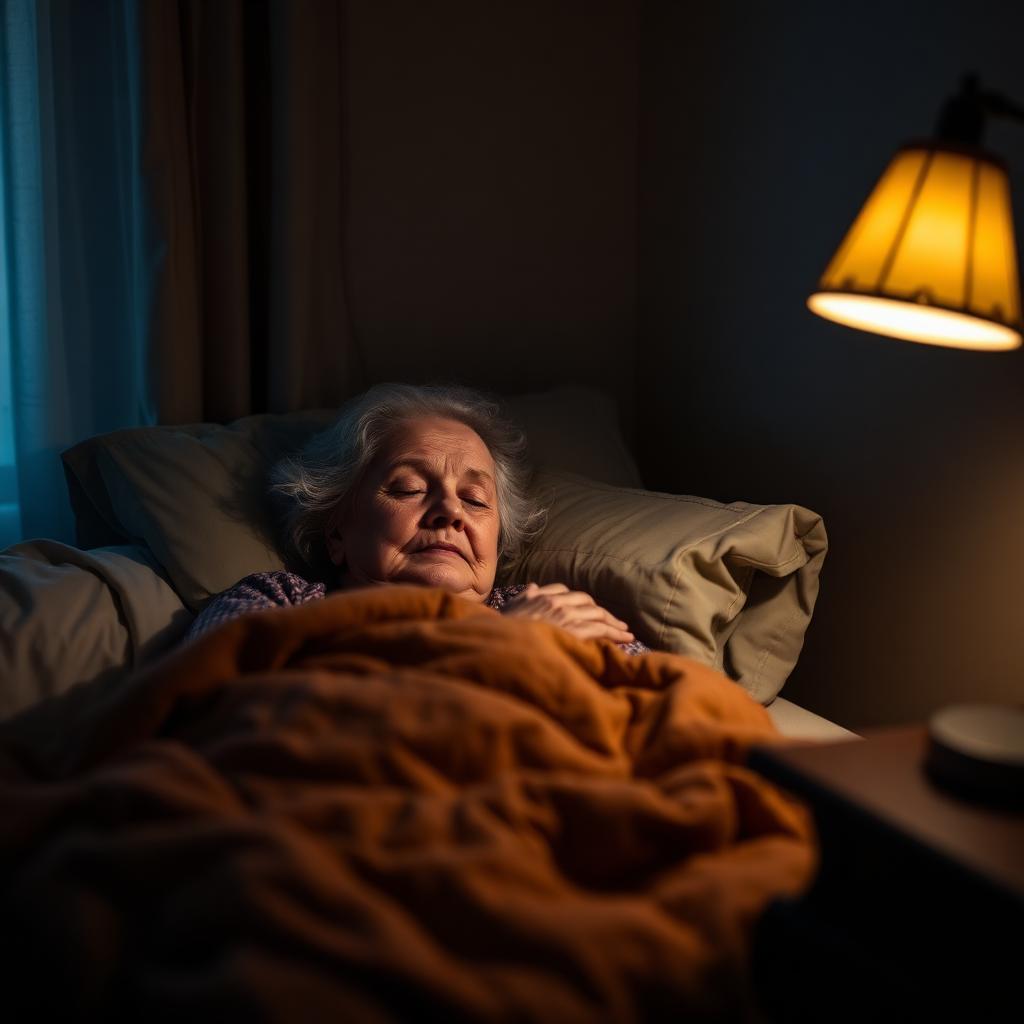
Restorative sleep quietly powers everything else in senior health — memory, mood, immunity, appetite, balance. Yet many older adults in Newfoundland tell their family doctors that sleep has become their number-one complaint. Aging changes sleep, but it doesn't have to ruin it. Small changes in routine and environment recover surprising amounts of rest.
Anchor the sleep window
The single most powerful sleep habit for seniors is a consistent bedtime and wake time — even on weekends. The body's internal clock relies on repetition. A wandering schedule is one of the top reasons seniors lie awake at 3 a.m.
Design a sleep-friendly bedroom
- Cool room — 18–20°C is ideal.
- Dark — blackout curtains help in the long Newfoundland summer daylight.
- Quiet — earplugs or a soft fan for noise.
- Comfortable mattress and pillow, updated as needed.
Watch the afternoon and evening
- No caffeine after lunch.
- Limit alcohol — it fragments sleep even when it makes falling asleep easier.
- Cap naps at 30 minutes and before 3 p.m.
- Dim the lights an hour before bed.
Move during the day
Daytime movement — even a walk to the mailbox and back — is one of the best sleep aids. Seniors who move regularly fall asleep faster and stay asleep longer.
Address the middle-of-the-night trip
Waking to the bathroom is common with age. Reduce fluids in the last two hours before bed, keep a nightlight on the path, and use a bedside urinal or commode if walking to the bathroom is risky.
When to ask the doctor
- Loud snoring or breathing pauses (possible sleep apnea).
- Waking with headache or gasping.
- Falling asleep during conversation or driving.
- Nights of no sleep at all for more than a week.
How home care supports sleep
Consistent morning wake-ups, daytime activity, calm evening routines, and a caregiver who leaves the home settled at night — all of these small anchors add up. For seniors with dementia, overnight care can prevent the wandering and confusion that shreds sleep for the whole household.
Frequently asked questions
How many hours of sleep do seniors need?
Most older adults do best with 7–8 hours, though it may be spread differently — earlier bedtime, earlier wake time.
Is it normal to wake up several times a night as a senior?
One or two brief wakings is common. Long wakeful stretches or waking exhausted are worth a doctor's review.
Can home care help with sleep issues?
Yes — through consistent routines, daytime activity, calming evening rituals, and overnight support when needed.
In summary
Looking for compassionate home care in Newfoundland? Contact Z Home Care today to schedule your free in-home assessment. Our experienced caregivers provide personalized support that helps seniors live safely, comfortably, and independently in their own homes.