
9 Quiet Signs Your Aging Parent May Need Home Care in St. John's
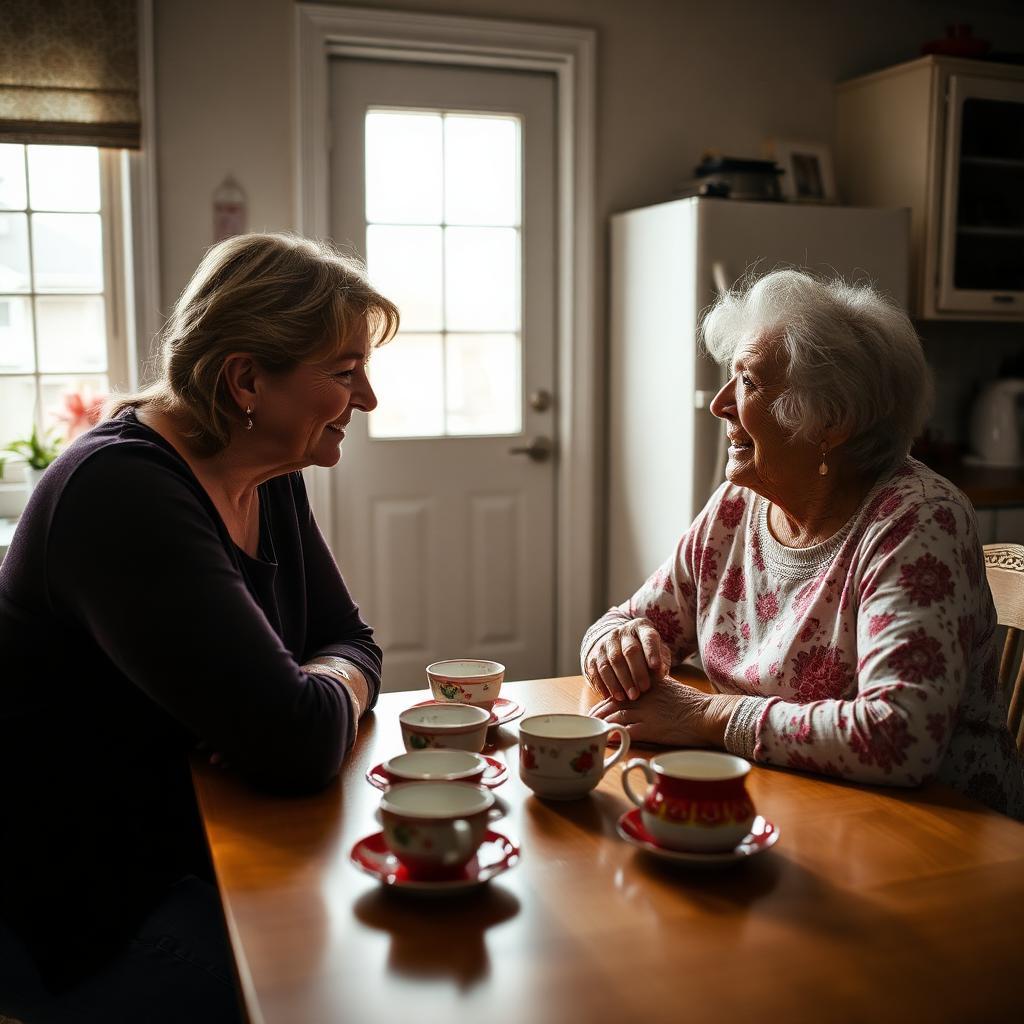
Most families in Newfoundland don't wake up one morning and decide their parent needs home care. It creeps up quietly — a missed medication here, a slippery-looking rug there, a fridge that never seems to have fresh food anymore. If you've started to wonder whether it might be time to bring in a caregiver, that instinct is usually right. The earlier compassionate home care assistance begins, the more independence a senior can hold onto.
At Z Home Care, families across St. John's, Mount Pearl, Paradise, Torbay, and Conception Bay South call us with the same worries again and again. Here are the nine signs we hear most often, and what each one usually means for the level of home support services a parent may need.
1. Mail, dishes, and laundry are piling up
A tidy person who suddenly can't keep up with everyday household tasks is often struggling with fatigue, low mood, or reduced mobility. Homemaking help from a home care agency near you can restore the calm rhythm of the home in just a few visits per week.
2. Meals have quietly gotten smaller
Seniors who cook less often start relying on tea and toast. Over months, that can lead to weight loss, weakness, and falls. A caregiver preparing simple, healthy meals is one of the most protective forms of elderly home care.
3. Medications are missed or doubled
Missed doses, expired bottles, and pills scattered around the house are red flags. Medication reminders from a home health aide keep the routine safe without taking away independence.
4. Bathing has become risky or infrequent
Bathing is one of the hardest personal tasks as balance changes. If your parent has started avoiding the shower or slipping, it's time to consider personal care.
5. Small falls, bruises, or near-misses
A single fall dramatically increases the risk of the next one. In-home care with mobility support and a fall-prevention plan makes a meaningful difference in Newfoundland winters.
6. Driving is starting to worry the family
When driving becomes unsafe, groceries, appointments, and social life shrink. Home care assistance often includes errands, drives, and companionship on outings.
7. Increased confusion or forgetfulness
Forgetting names of grandchildren, leaving the stove on, or wandering are signs to speak with the family doctor and to consider dementia care at home.
8. Withdrawal from friends and hobbies
Isolation quietly harms seniors as much as physical illness. Companion care brings warmth, conversation, and routine back into the week.
9. The family caregiver is exhausted
If a spouse or adult child is doing everything, burnout is close behind. Respite care near you protects the whole family — not only the senior.
What to do next
If two or three of these signs sound familiar, book a free in-home assessment. We'll sit in your parent's living room, listen, and build a plan around what your family actually needs — a few hours of companion care, weekly homemaking, private home care services after a hospital stay, or full live-in caregiver support.
Frequently asked questions
How do I know when my parent needs home care?
Look for quiet signs — smaller meals, missed medications, unopened mail, avoided showers, and social withdrawal. Two or three of these together usually mean it's time for an assessment.
Do I have to commit to a set number of hours per week?
No. Z Home Care can start with as little as a few hours a week of companion or homemaking help, and adjust as needs change.
Is a free in-home assessment really free?
Yes. Our care coordinator visits your parent's home in St. John's or the Northeast Avalon, listens to the family, and builds a care plan with no obligation.
In summary
Looking for compassionate home care in Newfoundland? Contact Z Home Care today to schedule your free in-home assessment. Our experienced caregivers provide personalized support that helps seniors live safely, comfortably, and independently in their own homes.