
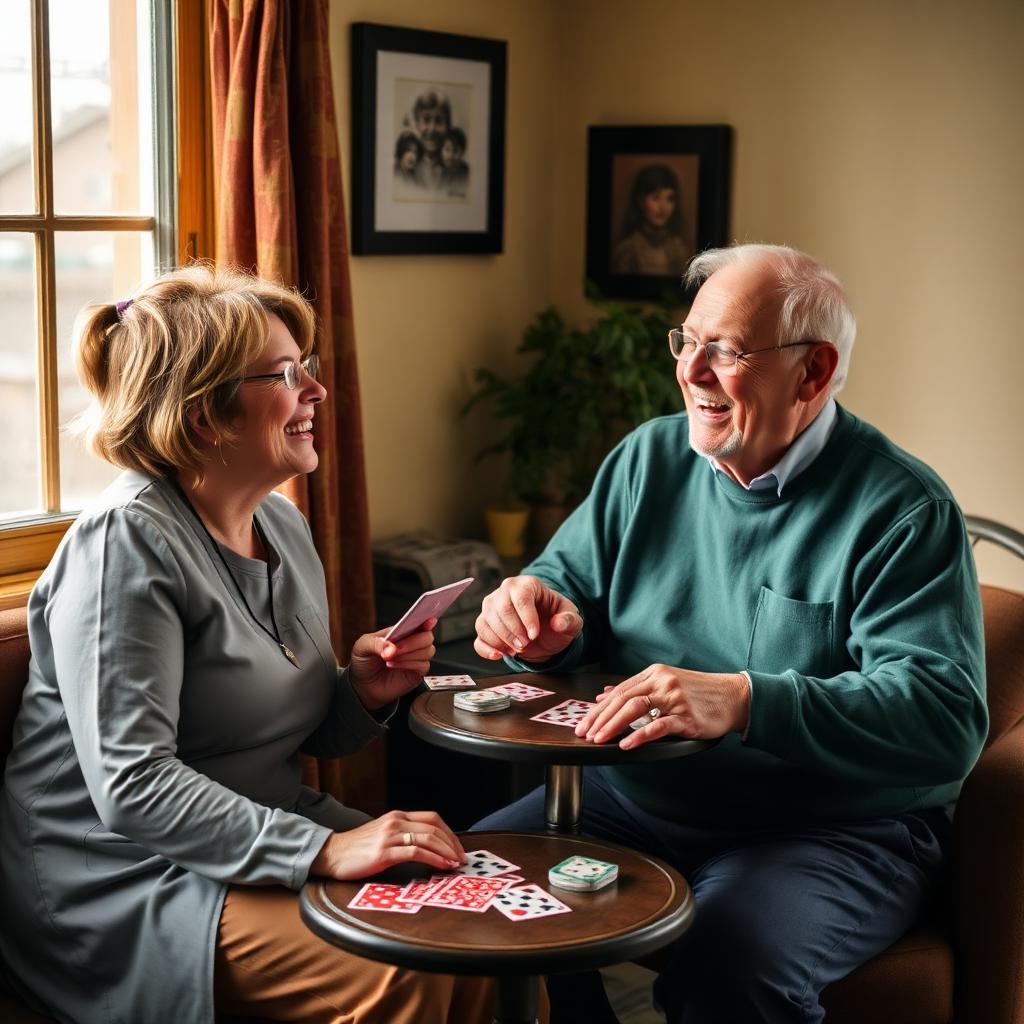
In the last decade, researchers have started calling loneliness one of the most serious health risks facing older adults — comparable to smoking fifteen cigarettes a day. It raises blood pressure, worsens memory, disrupts sleep, and shortens life. And it hides in plain sight, especially in Newfoundland winters when a parent goes weeks without leaving the house. The good news: loneliness responds to relatively small, consistent efforts.
The difference between alone and lonely
Many seniors enjoy solitude. Loneliness is different — it's the ache of feeling unseen, unheard, or forgotten. A parent surrounded by people can still be lonely if the conversations feel rushed or transactional.
What actually helps
- Regular, predictable contact — a weekly visit is more protective than a monthly party.
- Meaningful conversation — asking about memories, opinions, and stories, not only health.
- Shared meals, even brief ones.
- Activities that involve giving something — a family recipe passed down, mentoring a grandchild.
- Warm human touch — a hand held during a chat, a hug at the door.
- Involvement in community: church, seniors' clubs, volunteer roles.
What doesn't help as much as families hope
A tablet full of apps rarely fixes loneliness on its own. Neither do 'busy' schedules with strangers. Seniors are protected most by relationships that feel real and consistent — the same friendly face, the same neighbour, the same caregiver each week.
Where companion care fits
Professional companion care is one of the most under-appreciated forms of elderly care. It puts a warm, trained, familiar person in your parent's day — for tea, for walks, for real conversation. Over months, that consistency becomes friendship.
A gentle checklist for families
- How many days in a typical week is my parent alone all day?
- When was their last real conversation, not counting the family doctor?
- Do they have someone to call at 9 pm if they're lonely?
- Is there anything they've stopped doing that they used to love?
If those answers concern you, an in-home assessment is a gentle place to start. A few hours of companion care a week can quietly change a parent's mood, sleep, and appetite.
Frequently asked questions
How does loneliness affect seniors' health?
It's linked to higher blood pressure, worse memory, poor sleep, depression, and increased mortality — comparable to serious physical risk factors.
How can families reduce loneliness in aging parents?
Regular, predictable contact and one-on-one conversation matter most. Companion care can bridge the gaps family can't fill.
Is companion care only for people living alone?
No. Even seniors living with a spouse or in the same house as family can experience loneliness and benefit from a caring outside presence.
In summary
Looking for compassionate home care in Newfoundland? Contact Z Home Care today to schedule your free in-home assessment. Our experienced caregivers provide personalized support that helps seniors live safely, comfortably, and independently in their own homes.