
Nutrition for Healthy Aging: What Seniors Actually Need on the Plate
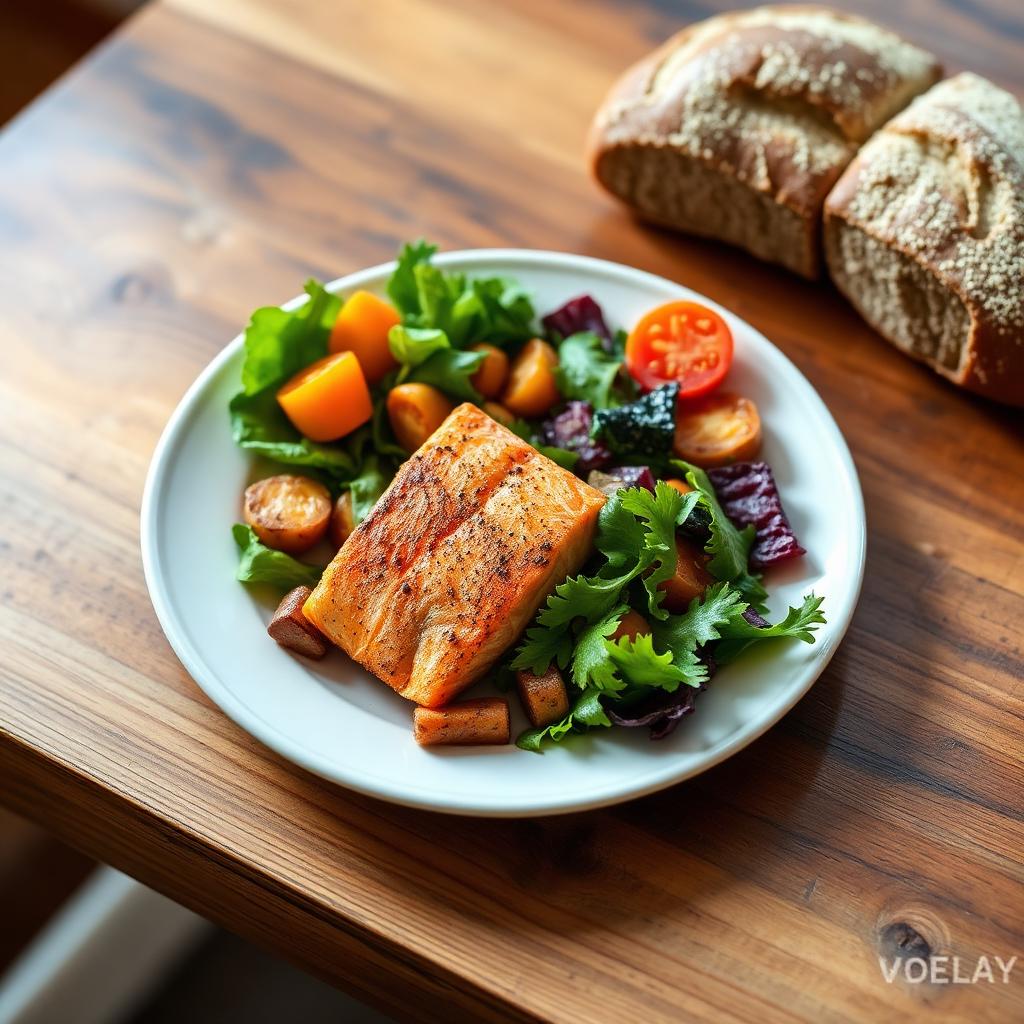
Nutrition shifts quietly with age. Appetite shrinks, taste buds dull, and cooking gets harder just as the body needs a slightly different balance of nutrients to hold onto muscle and mind. Good news: senior nutrition doesn't require fancy diets. It requires a small handful of principles, repeated on most plates.
Prioritize protein
Protein needs actually rise with age — older adults need more per meal than younger adults to trigger muscle preservation. Aim for a palm-sized portion of protein at each meal: eggs, fish, chicken, beans, Greek yogurt, cottage cheese, tofu, or lean beef.
Colour the plate
Half the plate should be vegetables and fruit. Colours matter — dark greens for folate, orange for vitamin A, berries for antioxidants. Frozen counts and is often cheaper and easier than fresh in Newfoundland winters.
Choose whole grains
Whole grain bread, oats, brown rice, and barley provide fibre that supports digestion, steady energy, and healthy cholesterol. A senior kitchen should have oats, whole grain bread, and a bag of brown rice as staples.
Don't forget calcium and vitamin D
- Milk, yogurt, and fortified plant milks for calcium.
- Fatty fish (salmon, sardines) once or twice a week.
- Vitamin D supplement year-round for most NL seniors — ask the doctor for a dose.
Hydrate throughout the day
Six to eight cups of fluid, spread out. Soups, tea, milk, and juicy fruits all count.
Where families most often fall short
- Not enough protein at breakfast — the meal most seniors under-eat.
- Relying on packaged meals that are high in sodium.
- Skipping vegetables when appetite is small.
- Losing interest in cooking after a spouse passes.
How home care meal support works
Homemaking visits often start in the kitchen — planning meals, grocery shopping in St. John's, prepping simple dishes together, and stocking the fridge with easy heat-and-eat portions. Small changes, done weekly, transform how well a senior eats.
Frequently asked questions
How much protein do seniors need per meal?
Roughly a palm-sized portion at each meal — more than younger adults need per meal — to maintain muscle.
Should seniors take a multivitamin?
Most seniors benefit from vitamin D year-round in Newfoundland. Ask the family doctor about a full multivitamin based on individual bloodwork.
Can a caregiver help with cooking?
Yes. Homemaking visits regularly include meal planning, grocery shopping, and cooking a few days' worth of meals ahead.
In summary
Looking for compassionate home care in Newfoundland? Contact Z Home Care today to schedule your free in-home assessment. Our experienced caregivers provide personalized support that helps seniors live safely, comfortably, and independently in their own homes.