
Canes, Walkers, and Rollators: A Simple Guide for Newfoundland Seniors
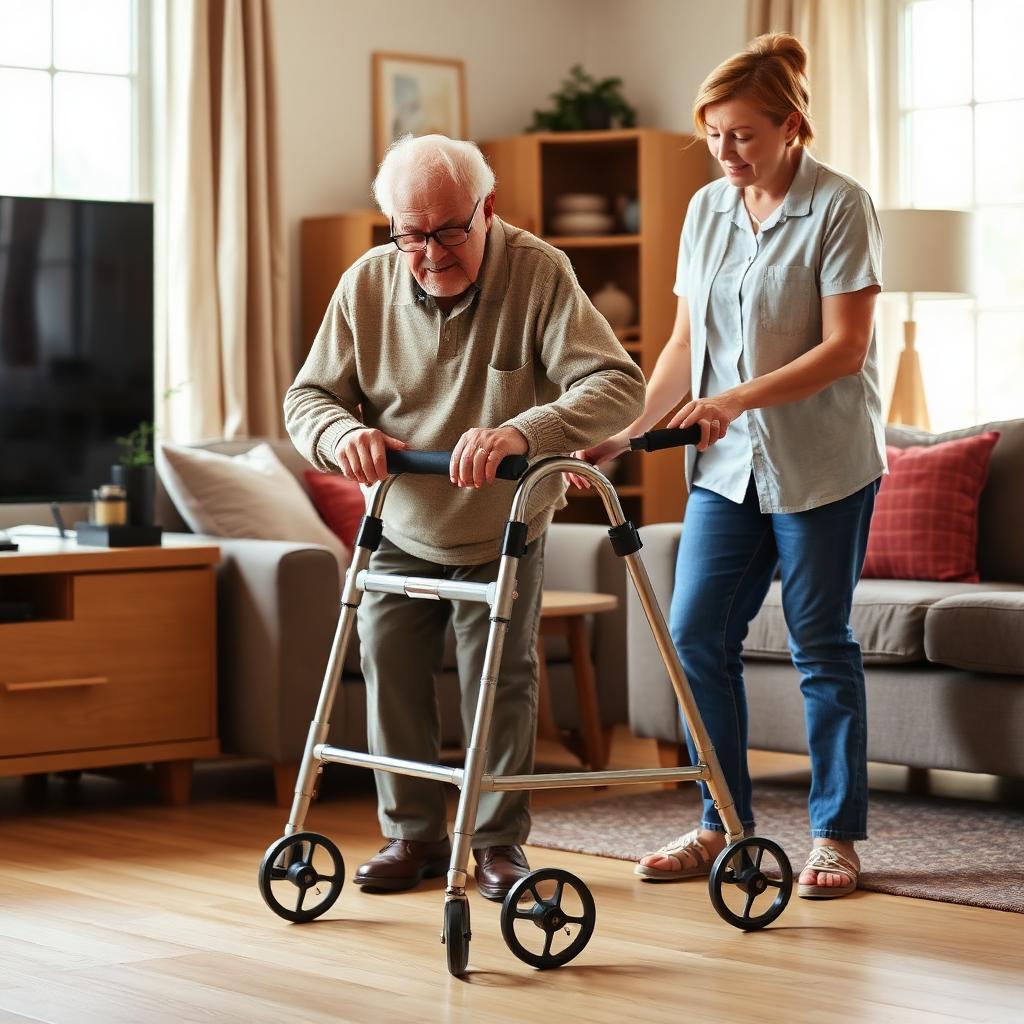
Many seniors resist mobility aids because they see them as a defeat. In reality, the right cane or walker often extends independence by years. It shifts weight off painful joints, prevents falls, and gives the user confidence to keep leaving the house — a huge factor in overall health.
When a cane is enough
A single-point cane suits seniors with mild balance issues or one weaker leg. It should reach the wrist crease when standing upright with arms relaxed. Use the cane on the opposite side of the weaker leg.
When a walker is a better choice
A standard walker offers stability on both sides and is ideal for anyone recovering from surgery, dealing with significant balance issues, or feeling unsteady on stairs and thresholds. It should be sized so the handles reach the wrist crease with a slight elbow bend.
When a rollator wins
A rollator — a wheeled walker with brakes and a seat — is fantastic for seniors who can walk longer distances but need frequent rests. The seat is invaluable at the grocery store, waiting rooms, and outdoor walks in warmer months.
Sizing and safety
- Have a physiotherapist fit the aid — a wrong height causes more falls, not fewer.
- Check rubber tips or wheels monthly — replace when worn.
- Clear rugs and clutter from the paths the aid will travel.
- Practice with a caregiver before independent use, especially on stairs.
Reassessing over time
Needs change. A senior who managed with a cane after a hip surgery may need a rollator two years later, and a walker after that. Reassess every six months — a mismatched aid is nearly as dangerous as no aid at all.
Frequently asked questions
Where can I buy a walker in St. John's?
Local medical supply stores stock walkers and rollators. Some private insurance plans partially cover the cost with a prescription.
Can home care help someone learn to use a walker?
Yes — our caregivers reinforce safe technique after physiotherapy visits and encourage regular use.
Is a rollator safe on Newfoundland ice?
No mobility aid is truly safe on ice. In winter, we recommend indoor walking programs or short outings only when paths are cleared.
In summary
Looking for compassionate home care in Newfoundland? Contact Z Home Care today to schedule your free in-home assessment. Our experienced caregivers provide personalized support that helps seniors live safely, comfortably, and independently in their own homes.