
Fall Prevention at Home: A Practical Guide for Newfoundland Seniors
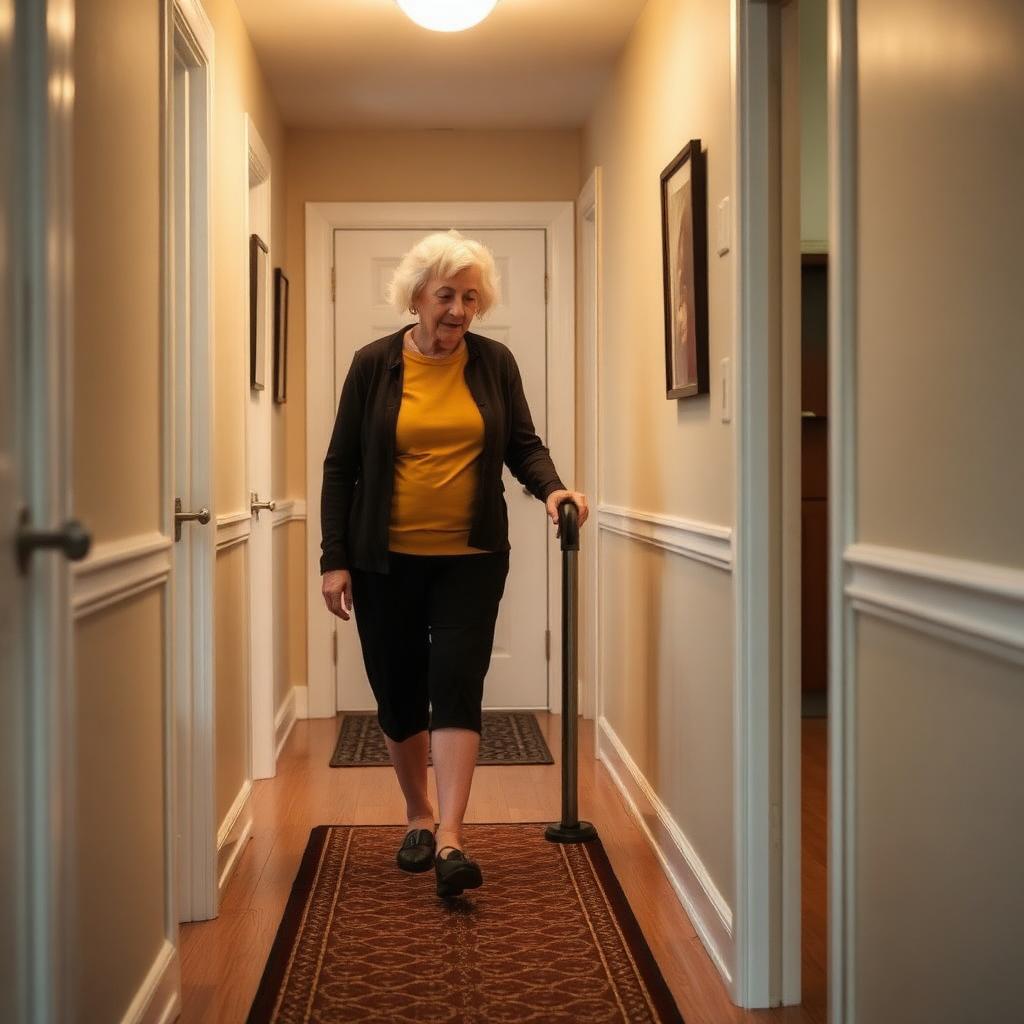
A single fall can quietly reshape a senior's life — a hospital stay, weeks of rehab, a loss of confidence that never fully returns. In Newfoundland and Labrador, where icy sidewalks, narrow staircases, and older homes are common, fall prevention is one of the highest-impact things a family can focus on. Good news: most falls at home are preventable with a room-by-room plan and, where needed, a little home care assistance.
Start with the floor
- Remove loose scatter rugs, or tape edges down.
- Tuck away extension cords and phone chargers.
- Keep pathways clear from the bed to the bathroom.
- Consider non-slip flooring in wet zones.
Light every step
Aging eyes need 3-4 times more light than younger eyes. Add nightlights along the route to the bathroom, install motion-activated lights at the top and bottom of stairs, and make sure hallway switches are easy to reach.
Make the bathroom safer
- Install grab bars beside the toilet and inside the shower.
- Use a shower chair and a hand-held shower head.
- Replace bath mats with non-slip alternatives.
- Raise the toilet seat if standing is difficult.
Rethink the stairs
Handrails on both sides. Bright, contrasting tape on the top and bottom step. A clear rule that stairs are for one purpose at a time — nothing carried that blocks the view of the next step.
Footwear matters more than families expect
Slippers with no back, socks on hardwood, and worn-out soles all quietly cause falls. Well-fitting shoes with grip should be worn indoors too, especially in winter when floors get wet from boots.
Movement is fall prevention
Strength and balance decline within weeks of sitting still. A short walk, seated leg lifts, and standing exercises done a few times a week dramatically reduce fall risk. Caregivers doing wellness visits can build these gently into every session.
How home care fits in
Where balance is a real concern, in-home care from a home health aide provides supervision at the exact moments falls happen — getting up from bed, stepping into the shower, walking to the front door in winter. Even a few hours a day of personal care can prevent the fall that changes everything.
Frequently asked questions
What is the single most effective fall-prevention step at home?
Removing scatter rugs and adding grab bars in the bathroom. Together they eliminate two of the top causes of serious falls.
How often should seniors exercise to reduce fall risk?
Short balance and strength exercises 3-4 times a week are enough to see benefits within a month or two.
Can a caregiver help during high-risk moments?
Yes. Personal care visits are often scheduled around the riskiest transitions — mornings, bathing, and evenings — where a caregiver's presence prevents falls.
In summary
Looking for compassionate home care in Newfoundland? Contact Z Home Care today to schedule your free in-home assessment. Our experienced caregivers provide personalized support that helps seniors live safely, comfortably, and independently in their own homes.