
Depression in Older Adults: What Newfoundland Families Should Know
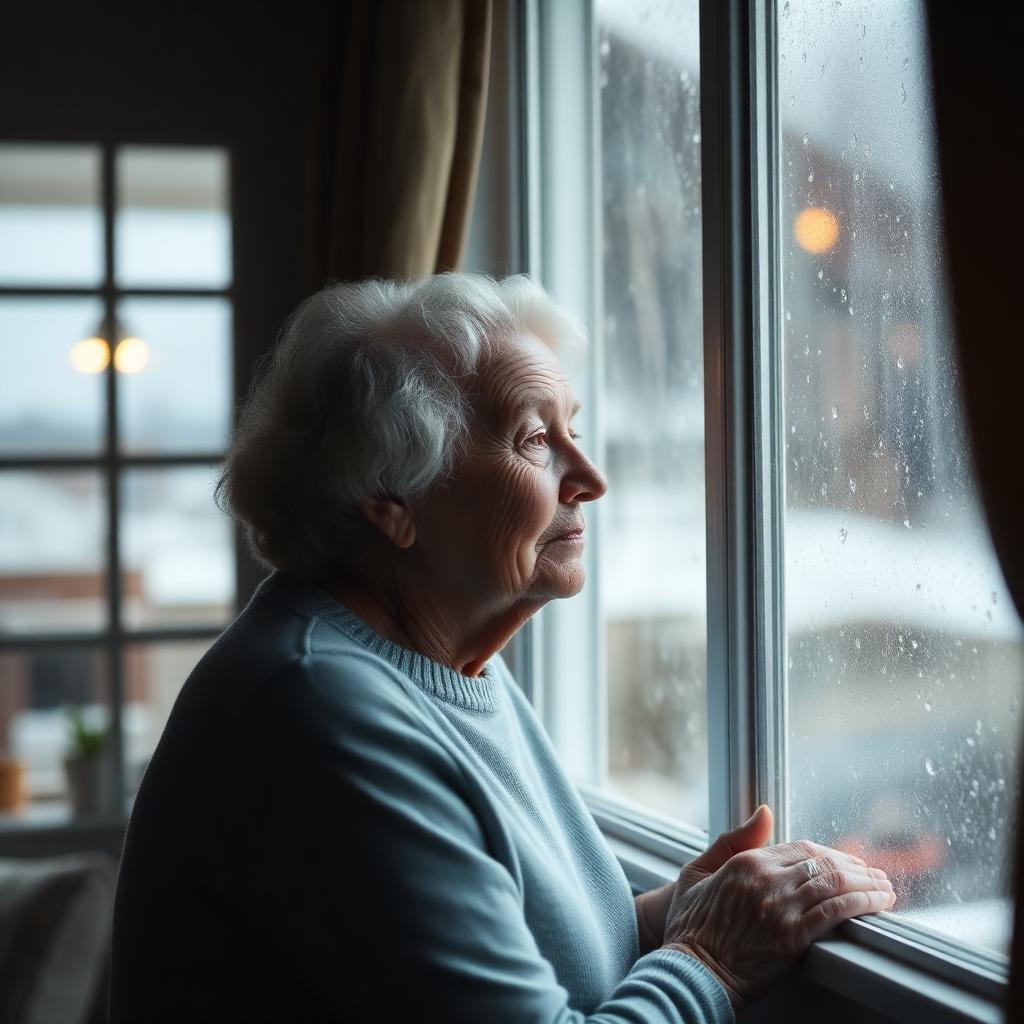
Depression is not a normal part of aging, though it is often treated as if it were. In Newfoundland, where long winters and geographic isolation add pressure, senior depression is common and often missed. It rarely looks like classic sadness — it looks like fatigue, physical complaints, and a slow disappearance from social life.
How senior depression is different
- Physical complaints — headaches, stomach issues, unexplained pain — instead of low mood.
- Loss of interest in hobbies once enjoyed.
- Sleep changes — usually early-morning waking.
- Weight loss from appetite changes.
- Increased focus on death or 'being a burden.'
Common triggers in NL seniors
- Loss of a spouse or close friend.
- Retirement or loss of purpose.
- New diagnosis or worsening chronic illness.
- Winter isolation — especially in rural communities.
- Adult children moving away for work.
What families can do
First, talk to the family doctor. Depression in older adults responds very well to treatment — often better than in younger people. Second, rebuild connection. Regular visits, phone calls, and outings do more than most families realize. Third, address the practical drivers: a chronic pain problem left untreated, a home that has become too much to manage, or dwindling social contact all fuel depression.
The role of companion care
Loneliness and depression are tightly linked. Regular companion care visits — even a few hours a week — bring conversation, activity, and a friendly face into the home. For seniors who resist admitting they're struggling, a caregiver becomes a lifeline without stigma.
Frequently asked questions
How common is depression in Canadian seniors?
Estimates range from 15–20% of adults over 65, with higher rates in those with chronic illness or recent loss.
Is antidepressant medication safe for seniors?
Many are — but dosing, interactions, and monitoring differ. A family doctor experienced with older adults will pick the right option.
Can companion care really help depression?
Yes — consistent human connection is one of the most protective factors for senior mental health.
In summary
Looking for compassionate home care in Newfoundland? Contact Z Home Care today to schedule your free in-home assessment. Our experienced caregivers provide personalized support that helps seniors live safely, comfortably, and independently in their own homes.